“The riskiest thing we can do is just maintain the status quo”
– Bob Iger
Candid Conscience is all about providing a funnel to evidence-based information covering a variety of topics, including nutrition, exercise, and sustainability—with the overarching theme being health, on an individual and global level. The internet is home to many differing opinions on a wide range of topics, it can be hard to understand what is fact, and what is fiction. The goal of Candid Conscience is to provide an honest interpretation of the science regarding health information, and thoughtful discourse on other related topics, with the goal of inspiring people to take ownership of their health and to live healthier, more fulfilled lives.
Expect informative posts regarding nutrition topics, exercise, and environmental health. Quality of work is fundamental to the core principles of this platform, and Candid Conscience strives to convey quality and diligence in each and every post.
*Note: These practices apply to you even if you’re not a serious athlete, or even an athlete at all, but looking to improve your fitness and/or health in a more general sense*
There are many factors that contribute to performance as an athlete. How often you train, how hard you train, and how smart you train are possibly the most important variables to consider. Obviously, these are subjective with regards to what particular sport or exercise you’re doing, but the principles behind them hold true.
Every time you train, you’re breaking down your muscle tissue, which is necessary in order to adapt and become stronger and fitter. This is a completely normal process where the acute inflammation and stress formed from exercise serve as the catalysts for adaptation to the training stimulus, in order for your body to become more resilient against said stimulus.
Enter: Recovery
This necessary process of muscle breakdown is mediated by time, meaning that there’s a certain number of hours your body needs in order to be ready to train again, only this time stronger. Now, what if we could shorten this time? It doesn’t take a genius to understand that the quicker we can recover from exercise, the better. This allows us to train more, giving us more vital opportunities to put our body under pressure (by training) and thus, become a stronger and fitter athlete.
With this in mind, there are a lot of fancy recovery methods out there, from crazy expensive therapies such as the NormaTec compression devices, to very sophisticated self-massage tools. While there may or may not be a benefit to these treatments, the research is sparse, at best.1 Fortunately, there are a number of evidence-based ways you can promote optimal recovery, without breaking the bank.
1. Sleep
I know, not sexy. Nevertheless, sleep has been correlated with improved athletic performance.2 The stress that regular exercise places on the body can transition from normal, acute levels to chronic stress and inflammation if we’re not careful. This is where sleep must be prioritised.
When we sleep, a series of beneficial physiological processes occur, including enhancement of our immune system,3 which may be important for limiting injuries and decreasing inflammation.3,4 Sleep deprivation on the other hand is associated with lower levels of certain growth factors, which may impede our ability to function at a high level both physically, but also mentally.5
She knows what’s up
Interesting to note, the effect of sleep deprivation has been shown to be a more potent negative for performance in endurance exercise rather than resistance exercise.6 The studies reporting this are looking at the effects of a short-term sleep deficit on athletic performance (for 24 hours, or less), but the effects of chronic lack of sleep are known to increase inflammation in the body—not what we want, regardless of our sporting event.3 And this is a very relevant issue, as a recent meta-analysis in the British Journal of Sports Medicine found that athletes are often unable to “achieve sleep recommendations during training or competition periods”.7
Sleep Guidelines
The National
Sleep Foundation recommend that school-aged children should get between 9-11
hours of sleep, teenagers should shoot for 8-10 hours of sleep, and young
adults/adults should be in the 7-9 hour range.8 Reading into these numbers, I would
recommend aiming for the higher end of the scale as an athlete.
Even if we do get sufficient hours of sleep, we must ensure that these hours are of a high quality. The National Sleep Foundation recognise this, and note that “Good sleep quality is a well-recognized predictor of physical and mental health, wellness, and overall vitality.”9 To maximise our odds of getting good quality sleep, there are a few things that can help:
Get into a regular routine: Get to bed ideally before midnight (or earlier!), as this helps us to live in sync with our natural body clock and circadian rhythms (in concert with day and night)—irregular light environments disrupt our sleep.10
Get away from screensat least one hour before bed: This is a tough one that I struggle with myself, but the fact remains that it keeps our brains firing, when they should be winding down (if you must be on your screen, there are glasses you can buy that block the ‘blue’ light from screens that keep us wide awake).
Make your room as dark and quiet as possible: This will ensure an optimal sleeping environment and set you on your way to deep sleep.
Ideally, a cooler bedroom temperature will help us sleep better (although the desired level of coolness can vary from person to person [and from gender to gender], which becomes important if you sleep with your significant other).
Don’t drink coffee after lunchtime: Caffeine has a half-life of roughly 5 hours (but can be as long as 9.5 hours!),11 meaning that it stays in your body for hours after you ingest it. The effect of caffeine on our central nervous system can include increased wakefulness, making it tougher to get to sleep.11 This also applies to tea—although the lesser quantity of caffeine means it likely won’t have the same magnitude of effect.
If you nail these tips, there’s no reason why you shouldn’t get a great night’s sleep, night after night. Consistency here is key.
2.
Post-Workout Nutrition
A lot of fuss is made about post-workout nutrition—fueled by supplement industries—meaning it can be difficult to know what exactly are the best things to eat or drink, how quick after working out, and so on.
The Protein Shake – Staple of Gym-goers
The “anabolic window of opportunity”, which refers to this golden window of time immediately post-workout where the body is primed to take in nutrients from food, in order to help build our muscles, is well known in sports and fitness circles. The rationale is that the highest levels of muscle protein synthesis are achieved when eating protein post-workout,12 but the actual evidence of an objective benefit of eating in this “anabolic window” is not validated when it comes to muscle growth over the long term.13
Large studies show that, with regards to nutrition, the biggest factor for muscle gain is total protein intake over the whole day, whether you eat immediately after training, or at other time points in the day.13 Of course this is pointless if you’re not training correctly, which is the main determinant of muscle growth. In practical terms, eating as soon as you can after a workout is probably a good practice to get into, and if you want to maximize muscle protein synthesis, research shows that a protein intake of about 0.3 g/kg is optimal (per meal).14
Now, if you’re doing long-duration endurance exercise (such as running or cycling for extended periods), there is evidence showing that the quicker you fuel up post-workout, the better. This is because the carbohydrate stores in our muscles and liver (called glycogen) that provide energy during exercise, are depleted during exercise and need to be restored as soon as possible if you’re going to be training again in the following 12-24 hours.15
To achieve this, here’s what the data says:
Eating carbohydrates after your race/match or session is essential to fill up your glycogen stores once again.15 One study showed that eating 3-hours after exercise vs. immediately after, led to a 26% decrease in muscle glycogen synthesis,16 so carb up ASAP, particularly if you’ll be training twice a day, or if you have long-duration sessions back-to-back.
Eating 1-1.2 grams of carbohydrate per kg of body weight per hour will ensure your glycogen is restored as quick as possible.15
Interestingly, eating protein along with carbohydrate actually increases the rate of glycogen storage – so eating slightly less carbohydrate than the 1-1.2g/kg recommendation can be done, as long as you’re eating some protein with it.15
One study showed that glycogen storage was twice as effective with a combined protein and carbohydrate meal vs. carbohydrate alone.17 So instead, about 0.8g/kg of carbohydrate paired with roughly 0.4g/kg of protein will do the trick.
Higher glycemic foods such as white rice have been shown to be more effective than lower glycemic foods (like brown rice) at restoring glycogen levels.15 If you train twice daily, or if you have long-duration workouts a single day apart, this information is for you, because low glycogen stores limit our ability to sustain high exercise intensity.
Note: In everyday eating, whole-grain foods like brown rice are preferable over more refined carbohydrates like white rice—take this information above with a pinch of salt—it’s aimed for top-level athletes training very intensely at least once per day, and often twice per day.
A quick and easy option for a great glycogen replenishing meal after a workout or competition would be a hearty bowl of rice and beans, with some vegetables and whatever sauce/dressing you fancy! Another great practical option is a smoothie with your choice of fruits, milk, and/or protein powder. Hitting the 0.8g/kg of carbohydrate, and 0.4g/kg of protein targets is easily done with a meal like this.
3. Active
Recovery
I remember as a kid, training on a Saturday morning—hard track sessions, 400m and 300m repeats until I was blue in the face. Then on Sunday mornings, 10-12 miles up mountains no matter the weather. The training was great, and had me pretty exhausted. So, what did the rest of my day look like? Lying on the couch for hours on end watching Premier League football. This may seem like it’s warranted, after all I did nearly kill myself in the morning, surely I deserve to be lazy all day, right? Well, maybe, but that’s not the point. The point here is that I may have been missing out on a recovery tool: active recovery.
13-year old me
Although it’s
tempting to sprawl out on the couch for the rest of the day (and seems like it
would let your body recoup and recover), the research shows that active
recovery can help to speed up lactate removal from our bodies, which may lead
to quicker recovery.18,19
Do This Instead:
Some walking, or even light exercise, such as very light jogging, or very light cycling, can help you to recover quicker. This increases blood flow, allowing our body to transport more oxygen-filled-blood to our muscle cells, and take away metabolic waste products of exercise (like the aforementioned lactate). This can have the effect of making us fresher, sooner. The level of activity should be really low and shouldn’t require much effort at all. Just 15-20 minutes of light jogging/cycling can be enough. If you’re walking, 45-60 minutes is a good number to hit.
Take-home message: Of course you can sit down and watch a game of football, that’s not an issue (and I encourage you to do so if that’s something you’re passionate about!). It’s the hours on end of lying/sitting down that might be an issue. Just be conscious of this, and if nothing else, get up and walk around for a couple of minutes every hour or so when you’re at home.
4. Overall Diet Quality
Your overall diet has a central role in not only your health, but your athletic performance. As mentioned, performance heightens with a steady supply of healthy carbohydrates in our diet. Studies have shown that exercise performance suffers when we eat lower-carb diets, such as keto.14,21 Don’t fall into this trend—stick with what bodies like the American College of Sports Medicine recommend for athletic performance: a diet rich in healthy carbohydrates.14
Carbohydrates
In simple terms, the less processed, the better. Choose whole-grains like oats over sweets/candy, potatoes and sweet potatoes over chips and crisps, brown pasta/rice over their white counterparts, fruit over fruit juices, and so on. If you abide by these principles, you’ll have a higher-quality diet rich in energy for exercise.
Good Carbohydrate Sources
Protein
In terms of protein intake, research tells us that once we hit our protein/amino acid targets, the source (plants/animals) is irrelevant,22 so if you are a vegan like myself, this is welcome news. A recent meta-analysis that looked at 51 individual studies concluded that on average, the optimal protein intake for inducing both muscle gains, and strength gains, was ~1.62g/kg per day—not a huge amount, and easily met with a plant-strong diet.23 Higher protein intakes (up to 2.2 g/kg/d) may be necessary for some individuals to achieve maximum muscle and strength gains.23
Great sources of protein include:
Meat/Fish/Seafood: Choosing leaner varieties (lower in saturated fat) is a good idea for overall health/cardiovascular health.
Dairy/Dairy alternatives: If choosing alternative milks and yoghurts, choose soy (best nutritional alternative).
Eggs
Protein powders: Whey is the most commonly used; casein may have benefit if used before bed.
Great plant-based protein sources:
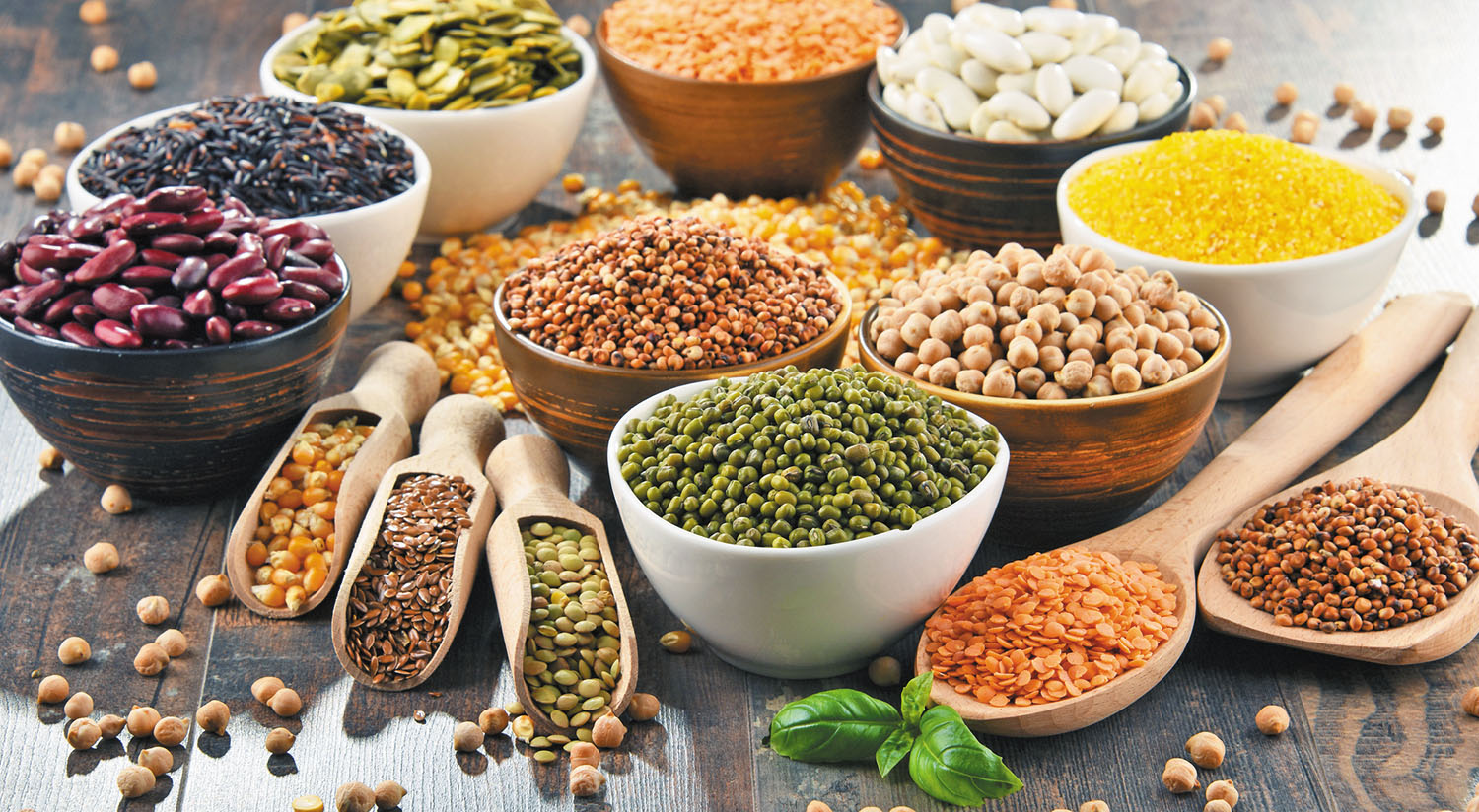
Legumes: This food group refers to all kinds of beans (there are hundreds of varieties believe it or not), and lentils (different varieties give slightly different textures and flavors).
Tofu and tempeh (made from soybeans so technically a legume—can be marinated and fried/grilled to give a meaty feel).
Seitan: Comes from wheat gluten; very high in protein and leucine, and is often used in vegan burgers; avoid if gluten-free.
Textured Vegetable Protein (TVP)/Soy Curls: Again, very meaty in texture and can replace meat in any dish.
Protein Powders: Soy isolate is a good option; Blends are good, and mix well.
Tofu Buddha Bowl – High-Protein Dish
Fats
Keeping it brief, healthy sources of fats:
Nuts/seeds: Opt for the high-omega-3 varieties (walnuts, hemp seeds, chia/flax seeds), as well as others like almonds, sunflower seeds, and pumpkin seeds—good sources of vitamin E and zinc.
Avocado: fun fact, it’s a fruit.
Soybeans and tofu/tempeh have naturally higher levels of fat vs. other legumes.
Tahini (pulped sesame seeds).
Nut butters (almond, peanut, cashew, etc.).
Oils high in unsaturated fatty acids: examples being olive oil, rapeseed/canola oil, walnut oil.
Don’t stress the fats too much, but they should be a lower % of your diet vs. protein and carbohydrates.
Brief Protein Recommendations
Generally, 1.2-2.0g/kg per day is sufficient for athletes, with endurance athletes on the lower end, and strength/power athletes on the higher end.14
Strength Athletes
Protein needs tend to be a little bit higher in athletes primarily involved in resistance exercise. As mentioned previously, a large meta-analysis showed that ~1.6g/kg per day was the figure from which, any more protein ceased to have further muscle-building qualities (on average).23 There is inter-individual variability, so to be on the safe side, an intake of 1.6-1.8g/kg per day has been recommended.25 Levels as high as 2.2g/kg per day have been recommended for those seeking absolute maximal muscle and strength gain, like professional bodybuilders and/or powerlifters,23,24 but for most strength athletes, 1.6-1.8g/kg per day is sensible.
Endurance Athletes
Endurance athletes need a lesser quantity, in the ~1.2-1.4g/kg per day range.25 Endurance athletes aren’t interested in maximal muscle growth, therefore extra calories from healthy carbohydrate sources are a better option. This however does not mean they won’t gain lean muscle at this protein level, it’s just not necessary to overshoot on the protein for these athletes when maximal muscle growth isn’t their primary focus.
Summary
If you can nail these 4 practices, you’ll be in a great position athletically, and health-wise. Even taking one or two on board is going to have significant positive repercussions on your performance and overall health. The more you put in, the more you get out.
In conclusion, I really hope you got something out of this post. Remember: progress over perfection. Rome wasn’t built in a day, and I can tell you that even though I’m laying out these recovery methods and principles to you, I struggle to hit them all of the time. But I strive towards nailing them, and you should too.
Peace.
References:
1. Hotfiel T, Mayer I, Huettel M, et al. Accelerating Recovery from Exercise-Induced Muscle Injuries in Triathletes: Considerations for Olympic Distance Races. Sports. 2019;7(6).
2. Juliff LE, Halson SL, Hebert JJ, Forsyth PL, Peiffer JJ. Longer Sleep Durations Are Positively Associated With Finishing Place During a National Multiday Netball Competition. J Strength Cond Res. 2018;32(1):189.
3. Besedovsky L, Lange T, Born J. Sleep and immune function. Pflugers Arch. 2012;463(1):121-37.
4. Milewski MD, Skaggs DL, Bishop GA, et al. Chronic lack of sleep is associated with increased sports injuries in adolescent athletes. J Pediatr Orthop. 2014;34(2):129-33.
5. Chennaoui M, Arnal PJ, Drogou C, Sauvet F, Gomez-Merino D. Sleep extension increases IGF-I concentrations before and during sleep deprivation in healthy young men. Appl Physiol Nutr Metab Physiol Appl Nutr Metab. 2016;41(9):963-70.
6. Kirschen G, Jones J, Hale L. The Impact of Sleep Duration on Performance Among Competitive Athletes: A Systematic Literature Review. Clin J Sport Med. 2018 Jun.
7. Roberts SSH, Teo W-P, Warmington SA. Effects of training and competition on the sleep of elite athletes: a systematic review and meta-analysis. Br J Sports Med. 2019;53(8):513-22.
8. Hirshkowitz M, Whiton K, Albert SM, et al. National Sleep Foundation’s sleep time duration recommendations: methodology and results summary. Sleep Health. 2015;1(1):40-3.
9. Ohayon M, Wickwire EM, Hirshkowitz M, et al. National Sleep Foundation’s sleep quality recommendations: first report. Sleep Health. 2017;3(1):6-19.
10. LeGates TA, Fernandez DC, Hattar S. Light as a central modulator of circadian rhythms, sleep and affect. Nat Rev Neurosci. 2014;15(7):443-54.
12. Iraki J, Fitschen P, Espinar S, Helms E. Nutrition Recommendations for Bodybuilders in the Off-Season: A Narrative Review. Sports. 2019;7(7):154.
13. Schoenfeld BJ, Aragon AA, Krieger JW. The effect of protein timing on muscle strength and hypertrophy: a meta-analysis. J Int Soc Sports Nutr. 2013;10:53.
14. Thomas DT, Erdman KA, Burke LM. American College of Sports Medicine Joint Position Statement. Nutrition and Athletic Performance. Med Sci Sports Exerc. 2016;48(3):543-68.
15. Fritzen AM, Lundsgaard A-M, Kiens B. Dietary Fuels in Athletic Performance. Annu Rev Nutr. 2019;39(1):null.
16. Ivy JL, Katz AL, Cutler CL, Sherman WM, Coyle EF. Muscle glycogen synthesis after exercise: effect of time of carbohydrate ingestion. J Appl Physiol. 1988;64(4):1480-85.
17. Ivy JL, Goforth HW, Damon BM, McCauley TR, Parsons EC, Price TB. Early postexercise muscle glycogen recovery is enhanced with a carbohydrate-protein supplement. J Appl Physiol. 2002;93(4):1337-44.
18. Bangsbo J, Graham T, Johansen L, Saltin B. Muscle lactate metabolism in recovery from intense exhaustive exercise: impact of light exercise. J Appl Physiol Bethesda Md 1985. 1994;77(4):1890-95.
19. Gupta S, Goswami A, Sadhukhan AK, Mathur DN. Comparative study of lactate removal in short term massage of extremities, active recovery and a passive recovery period after supramaximal exercise sessions. Int J Sports Med. 1996;17(2):106-10.
20. Behm DG, Blazevich AJ, Kay AD, McHugh M. Acute effects of muscle stretching on physical performance, range of motion, and injury incidence in healthy active individuals: a systematic review. Appl Physiol Nutr Metab Physiol Appl Nutr Metab. 2016;41(1):1-11.
21. Burke LM, Ross ML, Garvican-Lewis LA, et al. Low carbohydrate, high fat diet impairs exercise economy and negates the performance benefit from intensified training in elite race walkers. J Physiol. 2017;595(9):2785-2807.
22. Reidy PT, Rasmussen BB. Role of Ingested Amino Acids and Protein in the Promotion of Resistance Exercise–Induced Muscle Protein Anabolism123. J Nutr. 2016;146(2):155-83.
23. Morton RW, Murphy KT, McKellar SR, et al. A systematic review, meta-analysis and meta-regression of the effect of protein supplementation on resistance training-induced gains in muscle mass and strength in healthy adults. Br J Sports Med. 2018;52(6):376-84.
24. Bagchi D, Nair S, Sen CK. Nutrition and Enhanced Sports Performance: Muscle Building, Endurance, and Strength. Academic Press; 2018.
25. Stokes T, Hector AJ, Morton RW, McGlory C, Phillips SM. Recent Perspectives Regarding the Role of Dietary Protein for the Promotion of Muscle Hypertrophy with Resistance Exercise Training. Nutrients. 2018;10(2).
What makes for a happy, meaningful, and long-lived life? You may think that having family, friends, healthy eating habits, an exercise routine, a fulfilling career, or a combination of all of these things would contribute. That is the question that Dan Buettner set out to answer, when he teamed up with National Geographic to locate and study the world’s longest-lived people. Armed with a team of medical researchers, anthropologists, demographers, and epidemiologists, 5 places that satisfied the criteria of highest life expectancy were then studied (1).
Greek Coast
The Blue
Zones
Barbagia region of Sardinia – Mountainous highlands of inner Sardinia with the world’s highest concentration of male centenarians.
Ikaria, Greece – Aegean island with one of the world’s lowest rates of middle age mortality and the lowest rates of dementia.
Nicoya Peninsula, Costa Rica – World’s lowest rates of middle age mortality, second highest concentration of male centenarians.
Seventh Day Adventists – Highest concentration is around Loma Linda, California. They live 10 years longer than their North American counterparts.
Okinawa, Japan – Females over 70 are the longest-lived population in the world.
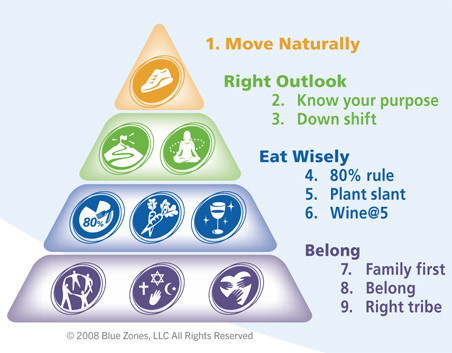
These 5 places listed above were dubbed the Blue Zones. The researchers found 9 commonalities that existed within each and every one of these Blue Zones—deemed the Power 9:
Move Naturally
Purpose
Down Shift
80% Rule
Plant Slant
Wine @ 5
Belong
Loved Ones First
Right Tribe
The Power 9 Pyramid
If you incorporate the principles of the Power 9 into your life, you’ll be well-equipped to hopefully live into old age. But that shouldn’t be the focus, the focus should be on being happy right now. These principles help to guide one towards a productive and fulfilling life, and thus more happiness in everyday life. So, what do they each entail?
1. Move Naturally
Too often we are stuck at our desks, or sitting on our couches watching television. We might feel like a quick run, or a 30-60-minute gym workout will offset this. Even multiple hours of intensive exercise should offset this, right? Well, the “active couch potato” phenomenon casts doubt over this assumption. In essence, there is research to show that even if you are meeting daily physical activity guidelines, if you’re sedentary for the remainder of the day, you may still be at a higher risk for chronic disease vs. those who are engaged in less sedentary behaviour (2). The individuals in the Blue Zones don’t necessarily work up a sweat in the gym, or run marathons, but instead they integrate daily movement as part of their lifestyle.
We sit too much
2. Purpose
These people know their sense of purpose: Okinawans call it “Ikigai”, Nicoyans call it “plan de vida”. This translates to “why I wake up in the morning” for both. This is such an important part of a happy existence, something which took me a long time to figure out, but since finding, has led to a lot more happiness. According to Buettner, knowing your purpose is worth up to seven years of extra life expectancy.
3. Down Shift
This principle relates to how these people deal with stress. Unfortunately, a stress-free life is unavoidable, but we can deal with it better. The Okinawans take a few moments each day to remember their ancestors, the Adventists in California pray, Ikarians routinely nap, and Sardinians do happy hour. These are a select few ways to be more mindful in our daily lives that have larger benefits for our wellbeing.
Meditation is powerful
4. 80% Rule
This rule refers to being more mindful of how much we eat. In Okinawa, it is called “hara hachi bu”. This mantra is said before meals to remind them to stop eating when their stomachs are 80% full. This 20% gap may be the difference between losing weight or gaining weight. The common theme within all Blue Zones is that they eat earlier in the day, with their final and smallest meal coming in the late afternoon/early evening.
5. Plant Slant
Each population in the Blue Zones eat a predominantly plant-based diet. Meat (mostly pork) is eaten only about 5 times per month, and the portions are small (3-4 ounce servings; size of a deck of cards). Legumes such as beans and lentils are staples of their diets. The specific varieties vary from place to place, but include: fava beans, black beans, soy beans, and lentils.
6. Wine @ 5
Except for Adventists, people in all Blue Zones drink alcohol moderately and regularly. The quantities are roughly 1-2 glasses of wine per day, with friends and/or food. This does not mean you should start drinking if you don’t! It just shows that indulging in one or two glasses in social situations (while having an already healthy lifestyle), is not an issue.
Red wine has a potent antioxidant compound: Resveratrol
7. Belong
All but 5 of the 263 centenarians interviewed belonged to some faith-based community. The denomination did not matter, it was the practicing that mattered. According to Buettner, research shows that attending faith-based services 4 times per month can add anywhere between 4-14 years of life expectancy.
8. Loved ones First
Centenarians in the Blue Zones look after their families, closely. They keep aging relatives nearby or in the home, they commit to a life partner, and invest love and time into their children.
9. Right Tribe
The world’s longest-lived people choose social circles that support healthy behaviors. In Okinawa, they chose “moais”—groups of 5 friends that commit to each other for life. Research from the Framingham Studies shows that smoking, obesity, happiness, and even loneliness are contagious, highlighted by the statistic that a person’s chances of becoming obese increased by 57% if he or she had a friend who became obese in a given interval (3). In other words, habits are contagious, so choose your friends wisely.
Putting This
into Practice
The beauty
of this study is that it helps to show that implementing these common practices
elicits longevity benefits in genetically diverse populations. This infers that
if we all take these practices into consideration for our own lives, we too can
reap the benefits.
Quick Note on “Active Couch Potato” Phenomenon
Active Couch Potato
This is a fairly new school of thought, but in basic terms, the perspective is that too much sitting is distinct from too little exercise (2). Work from Hamilton et al. has provided evidence that prolonged sedentary activity has negative health ramifications. Specifically, the suppression of an enzyme called skeletal muscle lipoprotein lipase (LPL) and reduced glucose uptake (4,5). The suppression of LPL has the negative effect of reducing triglyceride uptake and HDL-cholesterol—the so-called “good” cholesterol—production, and reduced glucose uptake is associated with metabolic syndrome and type-2 diabetes. Good news though, even standing as opposed to sitting can mitigate these negative physiological processes (bring on standing desks!).
Just look at how happy he is!
In
Summary
Taking the Blue Zones as a case study, it is evident that we have greater control over our health and longevity than we probably thought possible. I hope you take something from this blog post on board and take a step (no matter how big or small) towards a happier, healthier, and more fulfilled life.
Challenge
for the Week
Here’s a fun challenge for you to get the ball rolling: Take a step each day this week to be more like the people in the Blue Zones. Today you may make it your mission to walk 10,000 steps (most don’t get near this number!). If that’s too ambitious, commit to 5,000. Perfection is not the goal, but we must take steps in the right direction. Tomorrow maybe incorporate a “down-shift”. This could be 5-10 minutes of meditation, or a yoga class (Insight Timer is a great app with thousands of free guided meditations). Every time you do these things, it becomes easier to keep building from there. It’s about gaining momentum and forming healthy habits. Maybe by the end of the week you will eat a plant-based meal, or better yet, a day of plant-based eating. Writing these goals down is powerful, and can enhance adherence to these behaviours.
Once again, my hope is that you are more knowledgeable on how to better yourself. I hope you all have a wonderful week.
(4) Bey and Hamilton, (2003). Suppression of skeletal muscle lipoprotein lipase activity during physical inactivity: a molecular reason to maintain daily low-intensity activity. URL: https://www.ncbi.nlm.nih.gov/pmc/articles/PMC2343229/
“Breakfast is the most important meal of the day.”
– Everyone’s mother everywhere
This title leaves a lot of room for elaboration. You may feel that this title invokes the importance of breakfast, but in reality, it’s open-ended. Is breakfast important? Should it be mandatory? Does skipping it have any benefits? This is an exploratory post—let’s find out.
My Breakfast Yesterday
Breakfast
= Good?
My
hypothesis is that a regular routine of breakfast eating is associated with
better health outcomes. This comes from a few lines of reasoning.
Firstly, from anecdotal experience, how many people do you know who skip breakfast and are not exactly a picture of health? I know that in my experience, skipping breakfast is associated with disorganized behaviour, erratic sleeping patterns, and general lack of preparation for the day ahead. This can be true in my own life, but I have observed this subtle pattern in others, too. Of course this anecdotal experience is completely unscientific, and is only meant to help form a hypothesis. I want to make sure that this fact is well understood, as one individual’s experience can be completely misinformed and biased.
Secondly,
from some research I have come across in the past, there is a plausible
rationale for a benefit of eating early in the day (i.e. breakfast) due to
circadian rhythms. Circadian rhythms are “physical, mental, and behavioral
changes that follow a daily cycle”(1). They are biological mechanisms that respond
most prominently to light and darkness in a person’s environment, for example,
sleeping at night time and being awake during daylight. There is a prevailing
wisdom that eating in concert with daylight is beneficial on a metabolic level.
Thirdly, starting your day off with a routine/ritual can set you up for a more productive day, which can lend itself to healthier physical and mental states, and thus a healthier lifestyle in general. Again, this is an exploratory opinion on my part, not scientific.
Issue
There’s a
glaring issue with the framework I have just laid out, can you think of what it
might be?
None of this matters if what you eat is junk! I don’t care how regimented you are with your breakfast, and how it aligns with your natural circadian rhythm, if you’re shovelling down Pop Tarts and coffee with cream and sugar, that is a recipe for disaster.
Pop Tarts
Okay, with
that issue covered, let’s take a look at an opposite stance on breakfast, and the
possible benefits of skipping it.
Breakfast
= Bad?
For some people, it can be difficult to eat a big meal early in the morning. I have come across a fair amount of people who feel slightly nauseous at the thought of a large breakfast, and they opt for either something light, or nothing at all.
This Guy Does Not Like Breakfast
Some people
skip breakfast as a form of time-restricted feeding, or intermittent fasting
protocol. In this context, there is research to show the possibility of a
benefit to skipping breakfast (2,3).
Some people may find skipping breakfast helps them to consume fewer calories in the day—providing a tool to keep slim (although it must be noted that there is an opposite rationale that skipping breakfast can cause overeating later in the day stemming from increased hunger).
Once again, I’m laying these points out as largely exploratory, so please take these arguments with a pinch of salt.
What Does the Data Show?
I searched for studies on breakfast and its association with health through PubMed, a database of millions of scientific articles. Here’s a selection of studies I found:
Observational
Data
A
meta-analysis of 8 observational studies was conducted to examine the
association of breakfast skipping and the risk of type 2 diabetes in different
countries (USA, Japan, China, Russia) (4). The pooled data from over 100,000
people in these studies resulted in a 21% increased risk of developing type 2
diabetes for breakfast skippers in the cohort studies involved in this
meta-analysis, and an increased risk of 15% for developing diabetes in
breakfast skippers in the cross-sectional studies.
Another study grouped people into 3 groups: breakfast skippers, low-calorie breakfast eaters (5-20% of daily calories), and high-calorie breakfast eaters (>20% of daily calories) (5). The low-calorie breakfast eaters had more cardiometabolic risk markers than the high-calorie breakfast eaters, and the breakfast skippers had even more of these risk markers. The breakfast skippers had the greatest waist circumference, body mass index (BMI), blood pressure, blood lipids, and fasting glucose lipids. This translated into the breakfast skippers having a 1.55 times greater risk of noncoronary atherosclerosis, and a 2.57 times greater risk of generalized atherosclerosis—independent of conventional cardiovascular risk factors.
A
prospective cohort study conducted on over 80,000 people in Japan found that
those who didn’t consume breakfast had a 14% increased risk for cardiovascular
disease, a 18% increased risk for stroke, and a 36% increased risk for cerebral
hemorrhage vs. those who ate breakfast everyday (6).
Another
study on 766 adults (30-79 years) found that skipping breakfast had a
significant effect on waist circumference and body mass index (BMI), leading to
higher instances of obesity (7).
A prospective study that followed people from adolescence until middle age (27-year follow-up), found a significant relationship between those having poor breakfast habits (defined as skipping breakfast or eating/drinking something sweet for breakfast) at 16 and the risk of having metabolic syndrome vs. those who were regular breakfast eaters as adolescents (8). The risk of developing metabolic syndrome in this group was 68% higher in the poor breakfast eater group vs. regular breakfast eaters, and they were also at a 71% greater risk for having central obesity, and a 75% greater risk for having high fasting glucose levels.
Another
prospective study assessed the association between skipping breakfast and
cardiovascular and all-cause mortality. In this study, 6,550 adults between the
ages of 40 and 75 years old were followed for a range of 17-23 years, and the
results showed that after adjustment for confounding factors (age, sex,
race/ethnicity, BMI etc.), those who never ate breakfast had an 87% increased risk
for cardiovascular mortality, and a 19% increase for all-cause mortality vs.
those who habitually consumed breakfast (9).
A study looking at the role of breakfast, and more specifically breakfast quality, on health-related quality of life (HRQOL), stress, and depression in Spanish adolescents had some interesting findings (10). Those eating breakfast had higher levels of perceived stress and poor HRQOL vs. those skipping breakfast. This contradicts conventional wisdom, so the authors further stratified the breakfast eaters into ‘very poor’ (they ate baked items, but no grains/dairy), ‘poor’ (they ate baked items, grains, and dairy), and ‘good’ quality breakfast eaters (they ate grains, dairy, and no baked goods). After doing this, the researchers found that those eating a ‘good’ quality breakfast had better HRQOL and lower levels of stress and depression when compared to those eating ‘poor’ quality breakfasts. Interestingly, those skipping breakfast had better results in HRQOL and depression vs. those eating ‘very poor’ and ‘poor’ quality breakfasts. This finding was also true for perceived stress: breakfast skippers had lower perceived stress levels than those eating ‘poor’ quality breakfasts. This shows that what you eat in the morning may be more important than if you eat in the morning.
Another study looked at how breakfast skipping influenced body weight, nutrient intake, and other markers in participants with metabolic syndrome (11). The results showed that those skipping breakfast ate significantly less throughout the day than those eating breakfast (~190kcal/day less). Skipping breakfast was also associated with a reduction in certain nutrient intakes such as folate, niacin, and thiamine when compared to the breakfast eating counterparts.
What Does This Mean?
In general, the observational data on breakfast consumption favours eating breakfast vs. skipping breakfast. Of the studies mentioned above, 7/9 showed a significant decrease in health markers when skipping breakfast. It’s important to note that eating breakfast may just be a proxy for having healthier habits in general, even though most of the data has been adjusted for in multivariable analyses to try and isolate eating breakfast as the only variable being associated with these health markers, there is always the risk of residual confounding. Let’s take a look at some clinical trials and reviews on this topic, and see what patterns emerge.
Reviews
& Clinical Trials
A systematic review of 45 different studies found some data to show that breakfast consumption appeared to have a transient beneficial effect on cognitive function (within 4 hours post-ingestion) in children and adolescents when compared to those eating no breakfast (12). This was shown by breakfast consumption facilitating better attention, executive functioning and memory more reliably relative to fasting. This review also looked at some studies comparing breakfast types. Low-glycemic index breakfasts were most consistently associated with positive effects on attention.
A review on breakfast consumption and its effects on appetite regulation, energy balance (calories in, calories out), and exercise performance concluded that the weight of evidence from intervention studies showed that the omission of breakfast may lead to an increase in calorie intake at subsequent meals, but this increase was generally not enough to make up for the energy omitted at breakfast—thus omitting breakfast led to a reduced total calorie intake, offering a benefit in weight loss (13). Other findings of this review were that omitting breakfast led to an increase in appetite, but it was transient and could be offset by the first meal consumed in the day. Also, the author’s recommend eating breakfast before exercising to maximize performance, after citing some literature to show reduced exercise performance in individuals skipping breakfast vs. those consuming breakfast pre-workout.
A clinical
trial divided 283 overweight/obese people into 3 groups: one group were told to
eat breakfast every day, one group were told to skip breakfast every day, and
one group were told to keep their same dietary pattern (control) (14). After 16
weeks, there were no real differences between any of the groups in weight loss.
This trial showed that prescribing people to eat or skip breakfast (with no other
guidance) had little to no effect on weight loss in overweight/obese
individuals over a period of four months.
A study on 10 young Japanese males pitted a 6-day breakfast regimen vs. a 6-day no breakfast regimen (15). The participants completed one regimen, waited a week, and then completed the other regimen. Energy (calorie) intake was held constant, so in the no breakfast regimen, the lunches and dinners were more calorie dense. The results of this study showed that breakfast skipping caused higher blood glucose levels later in the day, and that the average blood glucose levels were higher in the breakfast skipping regimen compared with the breakfast eating regimen. Other markers collected, such as 24-hour energy expenditure showed no difference between regimens.
What to Make of This?
In these clinical trials and reviews, there doesn’t seem to be a major difference in health markers in those eating or skipping breakfast. Eating breakfast appeared to have a slight benefit in cognitive function, and exercise performance. The data is not extremely compelling one way or the other here, and a lot of the trials are short term, meaning it’s hard to know what would happen in the long run if breakfast was continually omitted in these studies.
Conclusions
What does this data in its entirety tell us? My major takeaway is that what you are eating at breakfast is more important to our health outcomes than the simple fact of either eating or not eating breakfast. Due to the sheer amount of observational evidence correlating breakfast skipping with chronic diseases like cardiovascular disease, diabetes, and stroke, I lean towards eating breakfast over skipping breakfast.
Limitations
Before you agree with my judgement, please take stock of the limitations of my analysis. I was not exactly systematic in my collection of data. This means that the studies I discussed included a wide range of differing populations, and trial designs. This limits the ability to generalize results, and weakens any insights gleaned. This review was also not comprehensive. This means that there may be a number of studies with conflicting results that I did not come across. Finally, don’t take my word for it. Consult the literature yourself, and see whether I’m correct in my description of the data. This is an important point: a lot of misinformation can be passed off as “evidence-based” online. Always read with skepticism.
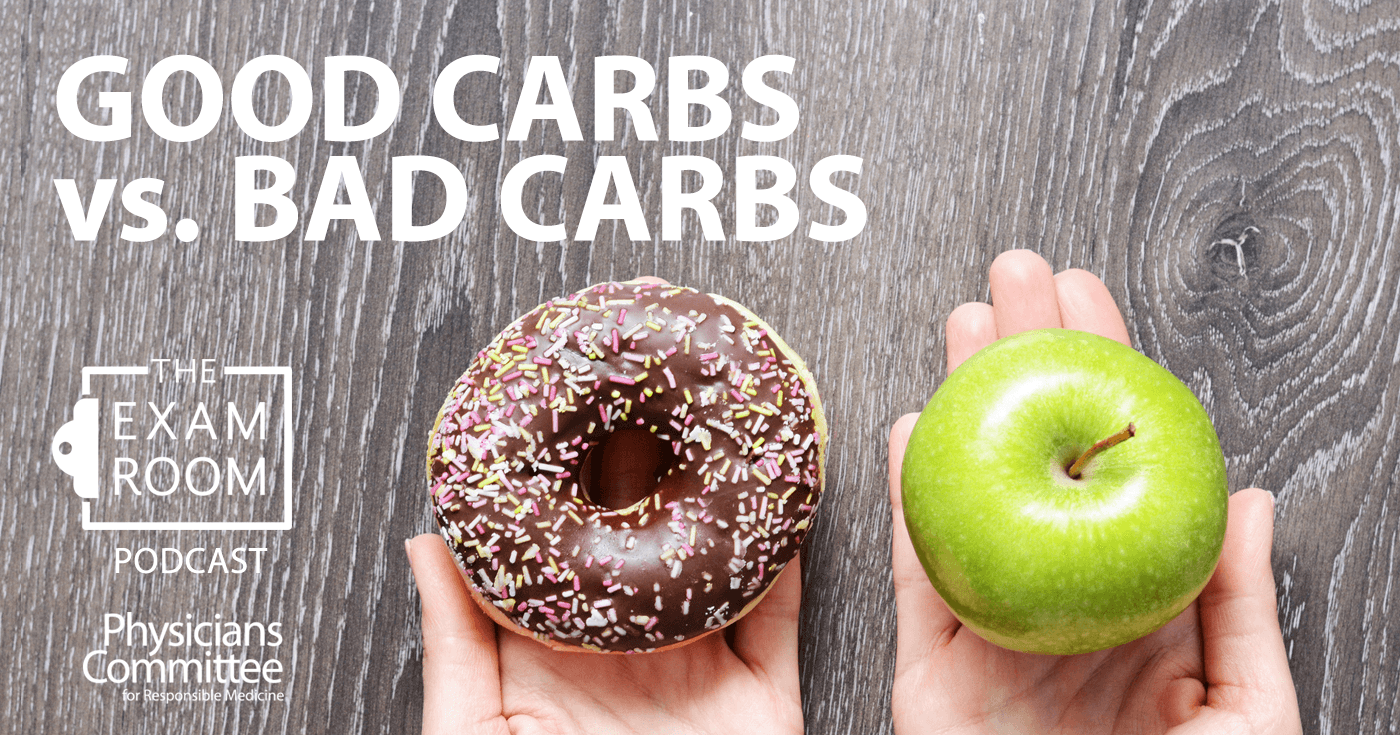
Fruit vs. Processed Donut – Example of Healthy vs. Unhealthy Breakfast
To summarise, I will continue to enjoy eating my breakfast, and if you love breakfast too, then I see no harm in continuing to enjoy it! If you don’t like it, then don’t eat it.
(10) Ferrer-Cascales
et al. (2018). Eat or Skip Breakfast? The Important Role of Breakfast Quality
for Health-Related Quality of Life, Stress and Depression in Spanish
Adolescents. URL: https://www.mdpi.com/1660-4601/15/8/1781/htm
Following on from my post last week about carbohydrates, I felt it was fitting to provide a recipe to one of my favorite high-carbohydrate breakfasts that keeps me full of energy throughout the day.
I honestly wake up happy knowing that a bowl of this delicious oatmeal is in my immediate future, and I’m going to show you how to make it fun, and tasty.
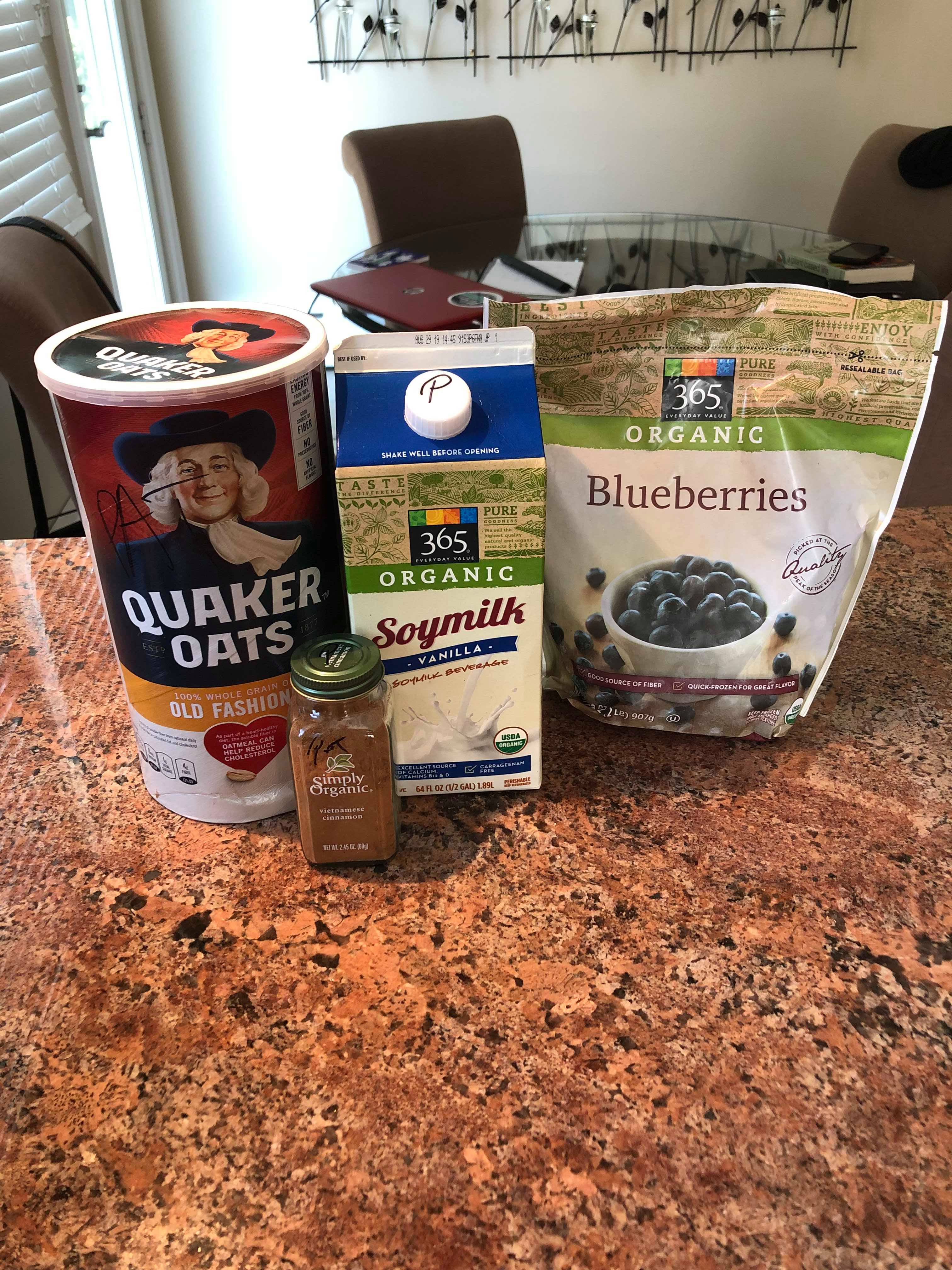
Base Ingredients for This Oatmeal
Recipe:
1.5 cups oats
2 cups plant-based milk (I use vanilla soy)
1 ripe banana / frozen ripe banana
3 cups frozen berries (blueberries are my favorite)
1-2 tsp cinnamon
toppings of your choice (sliced ripe banana, apple, strawberries, raisins, ground flaxseed, goji berries, slivered almonds, coconut flakes, the list goes on)
Base Ingredients + Optional Toppings
Instructions:
Add the oats, soymilk, berries, banana and cinnamon to a pot over high heat.
Bring the mixture to just below a boil, and turn the heat down to medium and simmer for 4/5 minutes, stirring often.
Once the oats are nice and creamy, transfer the mixture to a bowl and begin to apply all of your toppings.
Sprinkle some extra cinnamon on top and voila – you just made a healthy and super tasty breakfast.
Sometimes I’ll use mixed berries or raspberries instead of or alongside the blueberries—customize it however you like!
*Note: this recipe makes enough for two normal people (although only enough for me, but I exercise a lot!)*
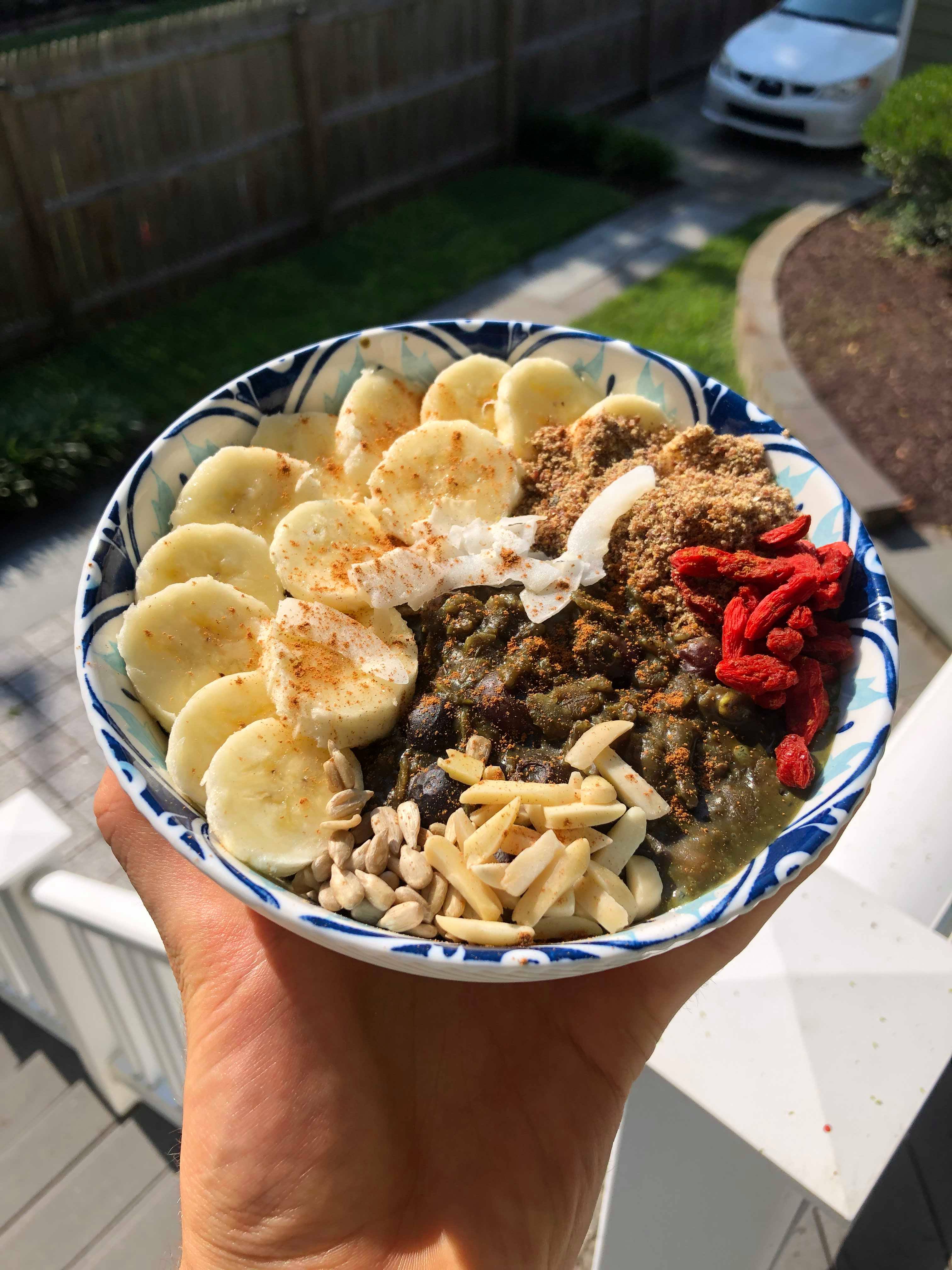
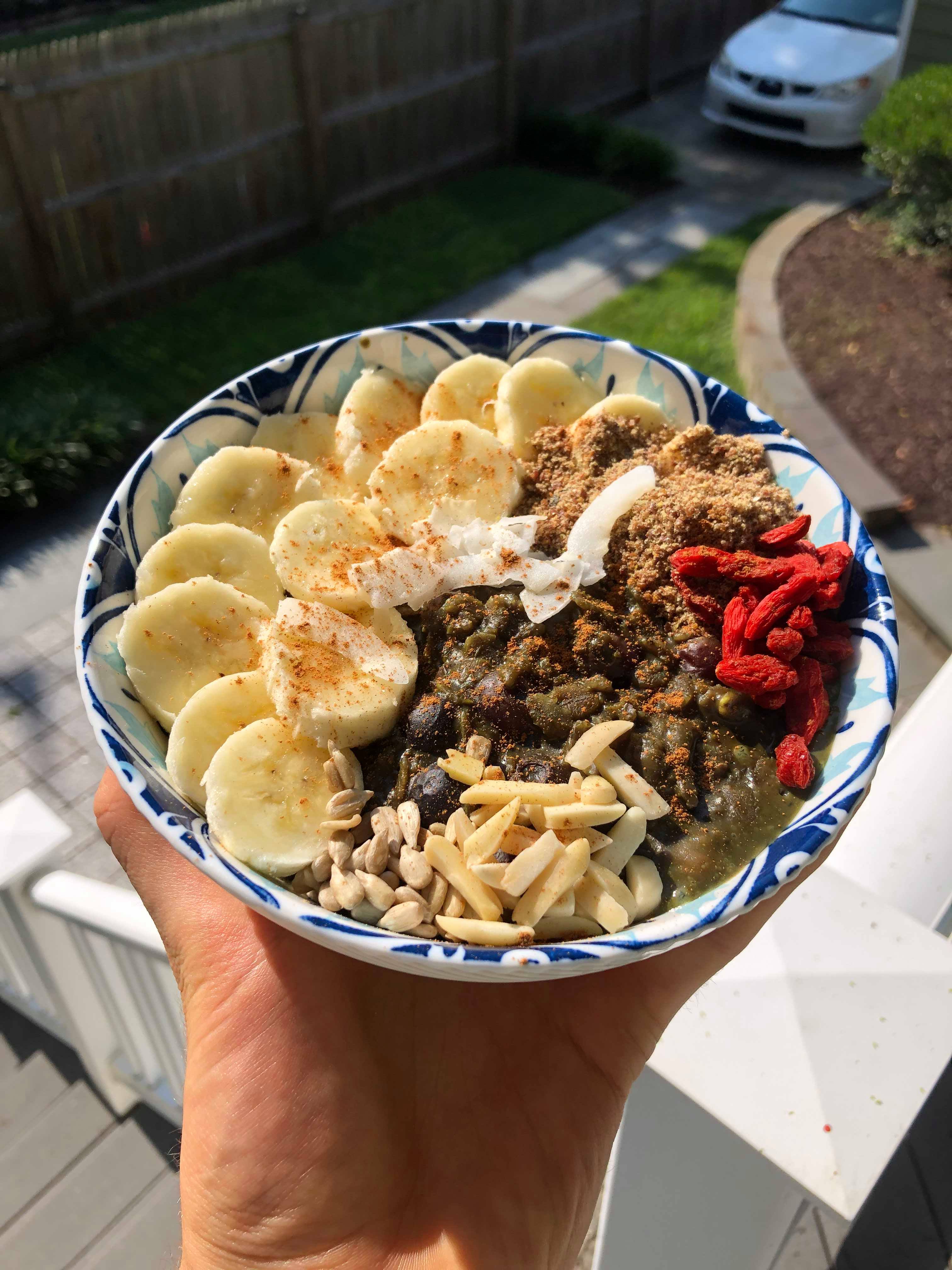
Finished Product: slivered almonds, sunflower seeds, sliced banana, goji berries, & ground flaxseed over oats with blueberries & soy milk
This breakfast is full of fibre, antioxidants, vitamins, and minerals. This takes about 15 minutes to make this in the morning, and is a worthwhile time investment.
Keep your eyes open for a post soon on the importance of breakfast: whether it is important, or not important in overall health.
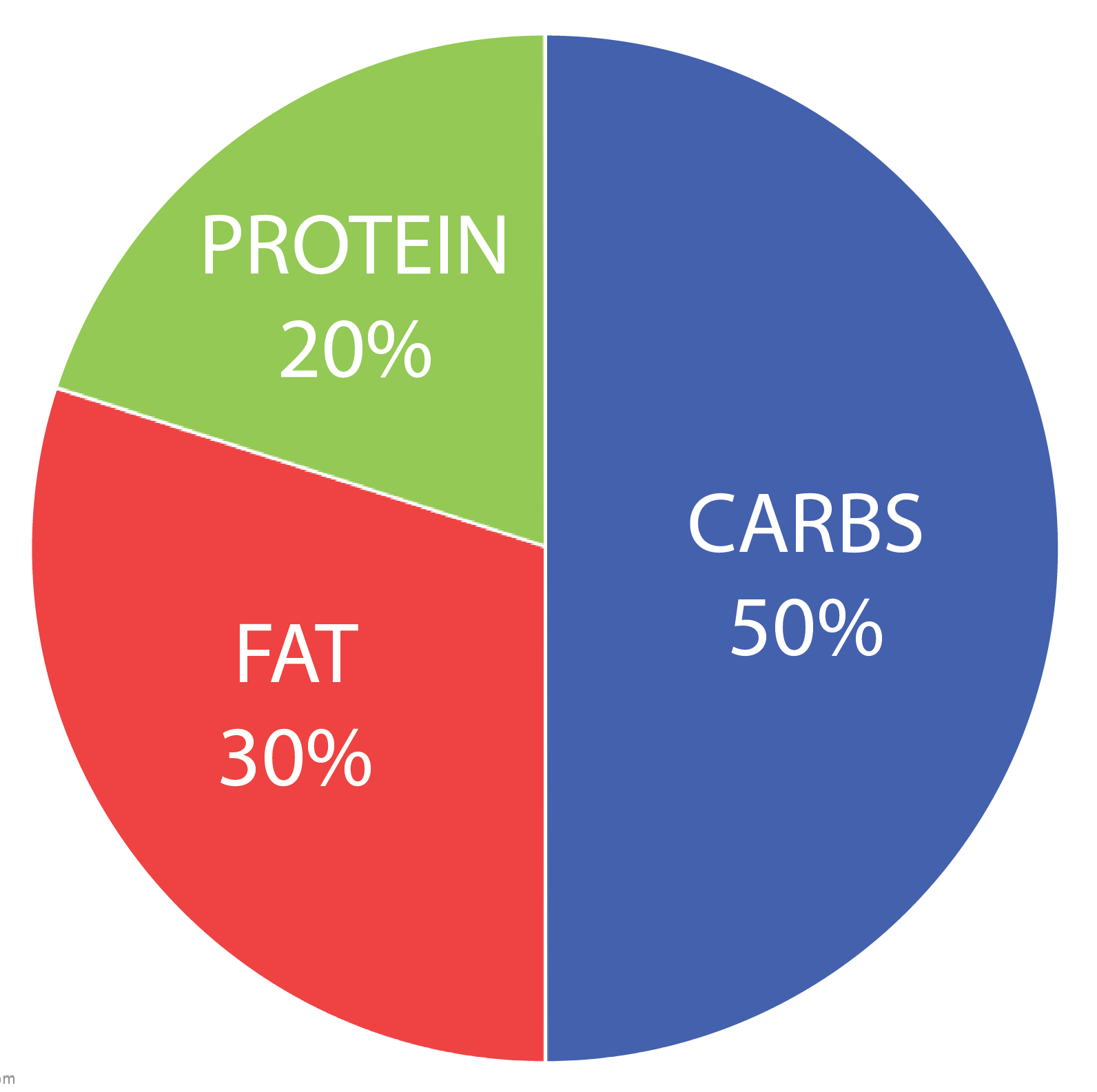
Following on from my last post, I want to talk about the issue of referring to certain types of foods as “carbs”. The pervading sentiment in our society is that foods are either “carbs”, “protein”, or “fats”. You know how it goes, meat = protein, rice = carbs, nuts = fats, etc.
Macronutrients Shown in Pie Chart
This notion might seem like a plausible way of classing these foods, as it is true that these foods have each macronutrient mentioned as their primary constituent in terms of energy. It is my view however that this use of language can cause confusion and potential harm. Let me explain by using “carbs” as an example.
What are carbohydrates?
On a basic level, carbohydrates are molecules made up of carbon, hydrogen, and oxygen and are the body’s preferred fuel source for providing energy.
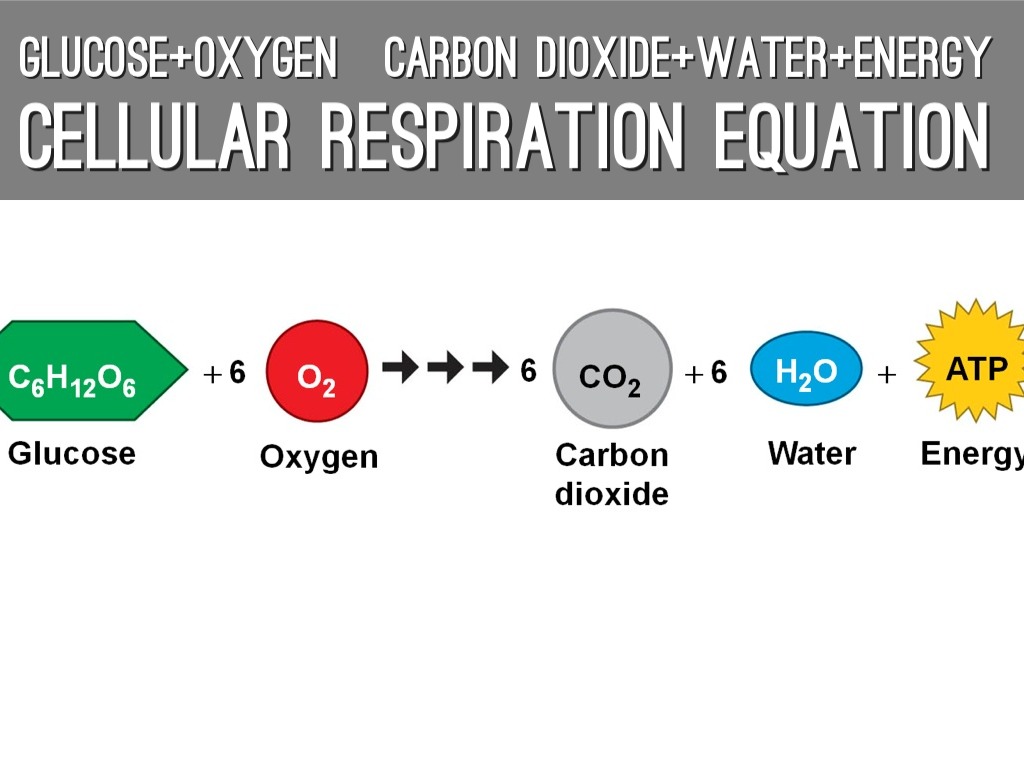
All carbohydrates are broken down into single sugar molecules called glucose, which are used by every single cell in our body for energy. Our mitochondria (energy powerhouses of our cells) convert glucose into adenosine tri-phosphate (ATP) which is a unit of energy we need to power our bodily functions (movement, digestion, etc.).
*Fun fact: our brains alone use about 20% of our glucose-derived energy to fuel itself (1).
Glucose is Needed for Energy (ATP) Synthesis
Types of carbohydrates
Carbohydrates are generally classified as either “simple”, or “complex”. The classification is determined by the amount of chains of sugar molecules strung together, with complex carbohydrates consisting of long, complicated chains, and simple carbohydrates consisting of very few of these chains.
This in turn affects how your body metabolizes these carbohydrates for energy. Complex carbohydrates break down much more slowly than simple carbohydrates, providing a sustained release of energy over time.
Complex vs. Simple Carbohydrate-Rich Foods
Differences between types of carbohydrates
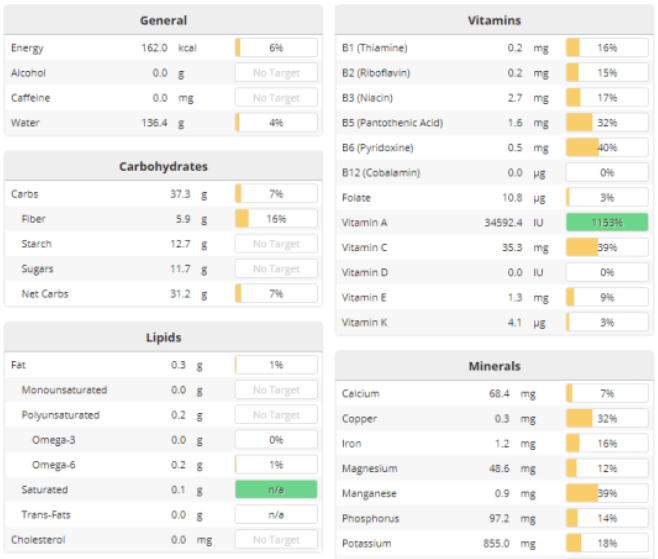
Let’s take a complex-carbohydrate-rich food such as a sweet potato and compare it to refined table sugar. As you can see in the graphics below, one baked sweet potato provides a lot of nutrients, exceeding your daily vitamin A needs (in the form of beta-carotene), providing you with roughly 6 grams of fibre, giving nearly half of your daily needs of some B vitamins and minerals like copper and manganese, and a host of other nutrients. Compare that to an equivalent quantity of calories in the form of sugar: it gives you very little from a nutritional standpoint.
Nutritional Information – 1 Baked Sweet Potato
Nutritional Information – 163 Calories of Table Sugar
When foods are simply reduced to being “carbs” or not, we run into issues. This logic would entail that sweet potatoes and refined table sugar are the same, as they are both “carbs”. This reductionist classification clearly misrepresents the health value of foods, and may lead people to steer clear of foods like sweet potatoes out of fear that they may become fat or unhealthy because they have heard that “carbs” make you fat.
Takeaway point
Whether a food shares a similar proportion of carbohydrate as another food doesn’t tell us much about its healthfulness.
Misclassification of foods
Another issue is that often, people call foods “carbs” when carbohydrate isn’t even the biggest contributor to calories in these foods. Take a donut for example.
You will hear people say that eating “high-carb” donuts will make you fat. Sure, habitually eating ultra-processed foods like donuts may increase body fat levels, but is it because “carbs”?
Take a look at the graphic below. This graphic illustrates how foods that are deemed as “carbs” are often more “fat” than “carbs”. In this example, just 45% of the caloric density of the donut comes from carbohydrates (type in “donut” on the website Cronometer, and you will see that most branded donuts are more fat as a % of calories than carbohydrate).
Common Misconception (Credit: jcdfitness.com)
Do carbs make you fat?
Spoiler alert: they are not uniquely fattening. Overeating calories makes you fat, irrespective of the macronutrient split.
When carbohydrate intake is severely restricted in the body, short-term weight loss is common, and this weight loss is often confused with fat loss. The majority of initial weight loss is actually your muscle carbohydrate stores (glycogen) diminishing, and the subsequent water that is held within glycogen being released (glycogen holds about 3-4 times its volume of water) (2).
A randomized, controlled, metabolic ward experiment from Kevin Hall et al. (2015) put obese individuals on two calorie-restricted, weight-loss diets: one diet was restricting carbohydrate intake, and the other restricted dietary fat intake by the same quantity of calories, while holding protein constant (3).
The research question asked whether fat loss will be the same if both diets are equal in calories, but one cuts carbohydrate and the other cuts fat, or would fat loss be greater for the carbohydrate-restricted diet, like low-carb zealots would lead you to believe? Let’s find out.
Graphic: Hall et al. (2015) Reduced Fat vs. Reduced Carbohydrate
Study design
19 obese men and women were randomized to either the reduced-carbohydrate diet (29% carbohydrate, 50% fat) or the reduced-fat diet (8% fat, 71% carbohydrate) for 6 days, after consuming an identical weight-maintenance baseline diet for 5 days. The diets restricted calories by approximately 30% from the baseline diet. This was a metabolic ward experiment so all meals were provided and food intake was supervised, strengthening the results by improving internal validity.
Both diets decreased calorie intake by an average of 810 calories per day, but in the carbohydrate-restricted diet, sleeping metabolic rate and 24-hour energy expenditure were significantly reduced by about 86 calories per day and 98 calories per day, respectively. This was not seen in the fat-restricted diet. Basically, this means that the metabolic advantage (i.e., increased metabolic rate or higher fat burn) proposed by low-carb advocates when restricting carbohydrates was not found in this cohort.
Body weight or body fat?
In terms of body weight, the reduced-carbohydrate diet lost significantly more weight than the reduced-fat diet. Wait, does this prove that restricting carbohydrates does indeed offer an advantage for fat loss? Not so fast… weight loss does not necessarily mean fat loss.
In contrast, the reduced-fat diet showed an average steady loss of 89 grams of fat per day whereas the reduced-carbohydrate diet averaged a loss of 53 grams of fat per day—this was a statistically significant difference. This finding is very important, and showed a slight metabolic advantage to consuming higher carbohydrate and lower fat vs. lower carbohydrate and higher fat (3).
Why might
this be?
In order for carbohydrates to be stored as fat in our body, they must undergo a process called de novo lipogenesis. This is the name given to the synthesis of fatty acids from carbohydrate. The body does not like to do this because it is a very inefficient process—when dietary carbohydrate is converted to fat, it costs about 23% of the original calories from carbohydrate in order to do this, compared to storing dietary fatty acids as adipose tissue (fat) which uses only 3% of the original calories (4).
Our body prefers to store excess carbohydrate as muscle glycogen, so once our glycogen stores are full, our metabolic rate increases to burn off this excess carbohydrate. This has been shown in studies where high-carbohydrate meals increase the post-meal burn (thermic effect of food) and therefore increase our own calorie-burning abilities through an increased metabolic rate (5,6).
High-fibre diets have also been proposed as methods to increase metabolism, due to the increased energy expenditure in digestion, and fibre is a type of carbohydrate only present in plants.
One study put overweight/obese people on a plant-based (vegan) diet vs. a National Cholesterol Education Program (NCEP) diet for 14 weeks, and found a significant increase in resting metabolic rate in the plant-based group vs. NCEP diet group, as well as a higher thermic effect of food in the plant-based group (7).
Increased fibre consumption may help to explain the findings: consumption increased from 21 to 30 g/d in the plant-based group, whereas the NCEP group increased fibre from 19 g/d to 21 g/d only—a highly significant difference.
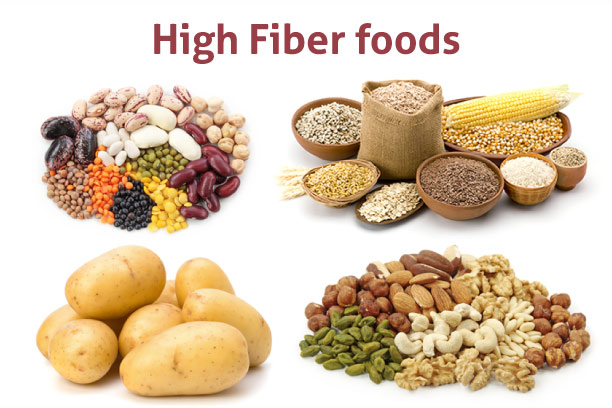
Weight loss was also significantly greater in the plant-based group vs. the NCEP diet group, even though the plant-based diet was ~75% carbohydrate! Why? Because these healthy carbohydrate-rich foods (beans, lentils, whole-grains, starches, fruits, vegetables, etc.) are extremely healthful, full of fibre, and do not make you fat!
Eat More of These High Fiber Foods
Conclusion
I hope you come away from this post with a greater understanding of why classifying foods as a specific macronutrient (in this case, “carbs”) can lead to confusion.
Carbohydrate-rich foods (beans, lentils, sweet potatoes/regular potatoes, fruit, vegetables, etc.) can be extremely health-promoting and are part of a healthy diet.
Challenge
Challenge for the week ahead: Incorporate at least one serving of legumes into your diet for each day this week. That could be hummus on your whole-grain bread for Monday, baked beans on your toast for Tuesday, black beans in your burrito on Wednesday, or whatever your heart desires.
(7) Barnard
et al. (2005). The effects of a low-fat, plant-based dietary intervention on
body weight, metabolism, and insulin sensitivity. URL: https://www.ncbi.nlm.nih.gov/pubmed/16164885
What is something that pretty much everyone, no matter what dietary practice they follow, can agree on (or at least I hope so)? Eating whole foods elicits better health outcomes than consuming ultra-processed foods. It might be helpful to clarify a few definitions here: what do I mean when I say whole foods? In the context of this post, whole foods are described as whole, unrefined foods as close to their natural state as possible. Pretty straightforward.
So, what are ultra-processed foods? Ultra-processed foods have been described previously in the scientific literature. Monteiro et al. (2018) described them as, “formulations mostly of cheap industrial sources of dietary energy and nutrients plus additives, using a series of processes” (1). In other words: foods that have been stripped of their healthful qualities (fibre, vitamins, minerals, etc.) and often mixed with additives/preservatives to make them last longer, and be more shelf-stable.
Example
An example of a whole food is the whole-grain wheat berry. This is a whole-grain, meaning it contains all parts of the grain: the endosperm, germ, and bran, and thus is fibre-rich and nutrient-dense (side-note: less than 5% of Americans consume the recommended daily intake of fibre, so eat more whole-grains! [2]). The processed version of this grain is white flour: most of the grain (germ and bran) has been stripped away, leaving the endosperm, and virtually no fibre/nutrients.
Industrialization of Agriculture
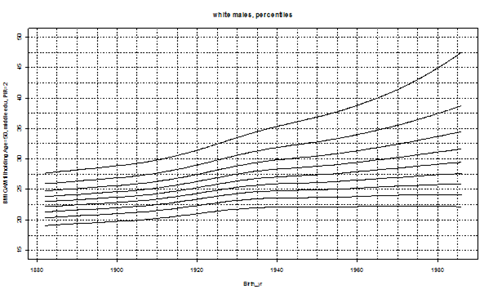
Body mass index (BMI) has been on the rise since the 1880s, coinciding with the industrialization of agricultural practices (see figure 1) (3).
Figure 1. White Males BMI from 1880-1980 (3)
This industrialization led to the rise of the processed food, where refined grains and flours, sugars, fats/oils, and additives became widely used in food preparations. During the early twentieth century (1909-1913), 68% of total carbohydrates came from starch, in comparison to 47% in 1980. The starch consumption was largely swapped out for refined sugar, with the contribution of sugars increasing from 32% during 1909-1913 to 53% in 1980 (4).
Refined Table Sugar Cubes
This trend has continued. More recently, a study from 2015 using data from the 2009-10 National Health and Nutrition Examination Survey (NHANES) reported that Americans are consuming almost 60% of their diet from ultra-processed foods (5).
Replacing these ultra-processed foods with whole foods could have major benefits on people’s health, potentially reducing the financial burden we are placing on our healthcare systems. A massive 90% of America’s $3.3 trillion in annual health care expenditures are for those with chronic and mental conditions (6,7). This trend is echoed in my home country of Ireland, where it is estimated that three quarters of the healthcare expenditure is allocated to the management of chronic disease (8).
What’s Wrong with Ultra-Processed Foods?
Okay, by now you should have an idea as to how commonly consumed ultra-processed foods are. So, what’s the big deal?
There are some proposed mechanisms to explain why they may be negative to our health: refining healthful carbohydrate-rich foods like whole-grains takes away most of the fibre, vitamins, minerals, phytonutrients, and such, while spiking your blood sugar levels and providing very little satiety. Refining healthful sources of fats into processed oils results in a product that has no fibre, very little nutrients, and is a concentrated source of calories (most calorie-dense food in existence: roughly 4,000 calories per pound).
Chocolate-Chip Cookies: Ultra-Processed
When you mix these refined foods together to make, for example, a cookie (mix of refined flours and sugars, and oils, etc.), you are looking at an ultra-processed food with little relevance for human health. A diet consisting of a large portion of these foods is going to cause long-term health problems in the majority of people due to the lack of nutrients, and the likely excess calorie intake.
The excess calorie intake will lead to overweight/obesity and this can lead to chronic diseases such as type 2 diabetes and cardiovascular disease (9). Likewise, a lack of nutrient intake, in the form of vitamin and mineral deficiencies, has been shown to be associated with increased risk of chronic diseases, and improving nutrient intakes may be important for reducing progress of chronic diseases (10).
New Data
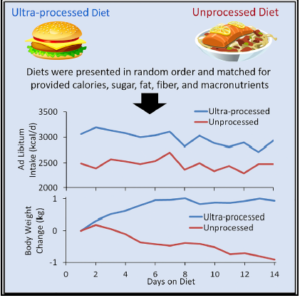
A great new study (published last Tuesday, 2nd July) led by a researcher named Kevin Hall, who works at the National Institutes of Health, has looked at the effects of ultra-processed vs. unprocessed diets on energy (calorie) intake, and body weight (11).
Visual Abstract of Hall’s Study
This study was conducted to try and address the reasons why ultra-processed foods may increase energy (calorie) intake and therefore cause weight gain. The beauty of Hall’s studies is that they are conducted in an in-patient metabolic ward facility—allowing the researchers 100% control of their diets. 10 men and 10 women were randomized to consume one diet for two weeks, and then they swapped over to eat the other diet for 2 weeks. The unprocessed and ultra-processed diet groups were both given 3 meals a day and were instructed to eat ad libitum (as much as they desired). Snacks were provided at all times throughout the day. Both diets were calorie-matched and were macronutrient (i.e. protein/carbohydrate/fibre/fat) matched to the best of the researchers’ abilities. The only difference therefore was: one diet was comprised of ultra-processed foods, the other was comprised of unrefined foods.
The Results
There was a significant increase in energy (calorie) intake in the ultra-processed diet group of an average extra 508 calories per day. In stark contrast, there was no significant difference in energy intake in the unprocessed diet group. This shows that processing foods reduces satiety and causes overeating. These results are helpful in forming a causal relationship between increased ultra-processed foods intake and increased obesity. Interestingly, this study showed that the appetite suppressing hormone peptide tyrosine tyrosine (PYY) increased in the unprocessed diet vs. the ultra-processed diet, and the hunger hormone ghrelin decreased in the unprocessed diet too, signifying greater satiety.
In conclusion, the authors suggest that eliminating ultra-processed foods from the diet decreases energy intake and results in weight loss, and that a diet with a large proportion of ultra-processed food increases energy intake and therefore leads to weight gain.
Avoid Ultra-Processed Foods Like These
Real Life Application
Now that you’re armed with this knowledge, what are you going to do? You may want to lose weight, you may be suffering from a chronic illness, or you may just not feel your most energetic and healthy self. Whatever the case may be, eliminating or seriously reducing these ultra-processed foods is the quickest, and easiest way for you to improve your health.
To help you get started, here are some examples of swapping out ultra-processed foods with some unprocessed/minimally processed alternatives:
Ultra-Processed Foods
Unrefined Foods
Lucky Charms cereal
Oatmeal with berries
Orange juice
Whole orange
Refined bread (white/brown) – check labels, if it doesn’t say ‘WHOLE’ before the flour in the ingredients, it isn’t wholegrain
Whole-wheat bread, whole-grain rye bread
Coke
Flavoured, sparkling water
French fries
Baked potato
Snickers bar
Fruit/nut bar
White rice (fried)
Brown rice (boiled)
Chocolate-chip cookies
Homemade oat/banana cookies
Final Note
It is clear that on a population level, we need to cut down on ultra-processed food consumption, in favour of more unrefined alternatives. Unfortunately, in some scenarios (food poverty, for example) this is easier said than done. But if you are reading this, and you have the means to make a few changes in this direction, I encourage you to do so.
(2) Marriott BP, Olsho L, Hadden L, et al. Intake of added sugars and selected nutrients in the United States, National Health and Nutrition Examination Survey (NHANES) 2003–2006. Crit Rev Food Sci Nutr. 2010;50:228–258. URL: https://www.ncbi.nlm.nih.gov/pubmed/20301013
(3) Komlos, J. and Brabec, M. (2010). THE TREND OF BMI
VALUES OF US ADULTS BY CENTILES, BIRTH COHORTS 1882-1986. National Bureau of
Economic Research. URL: https://www.nber.org/papers/w16252.pdf
(4) Welsh, S.O., and R.M. Marston. 1982. Review of trends in food use in the United States, 1909 to 1980. J Am DietAssoc. 81:120-125. URL: https://www.ncbi.nlm.nih.gov/pubmed/7050214
(5) Martinez Steele et al. (2015). Ultra-processed foods and added sugars in the US diet: evidence from a nationally representative cross-sectional study. Public Health Nutr. 21, 114-124. URL: https://bmjopen.bmj.com/content/6/3/e009892
(11) Hall et al. (2019). Ultra-Processed Diets Cause Excess Calorie Intake and Weight Gain: An Inpatient Randomized Controlled Trial of Ad Libitum Food Intake. Cell Metabolism, 30(1), pp. 67-77. URL: https://www.cell.com/action/showPdf?pii=S1550-4131%2819%2930248-7
There are many things dear to my heart, and I created this blog to hopefully express these topics of interest. Health, exercise, and sustainability are the main topics I want to cover.
There is an abundance of information out there, and it’s hard to know where to get your information, and who to trust. I am committed to providing information of substance, backed up by evidence-based research, where appropriate.
My Background
I have always had a keen interest in exercise as a young child. My father introduced me to exercise from a young age where I began to run races as a 6 year old competing in the under 9 category! I ran for (almost) the next decade at a high level, winning regional titles in cross-country, and track and field, and also medaling at national level in cross-country, track and field, and mountain running. While I left the sport, those values of discipline and hard work never left me, and it is those values that I now bring to the table in order to educate others how to live a healthier, happier life.
My interests soon developed from exercise/sport into other topics such as nutrition, and environmental sustainability. These topics have led me down a path of research into questions such as: what are the healthiest foods, and how can we reduce our environmental impact? So, I went to university to study Sports Science and Health—with the expectation of learning more about health in general. My prime area of interest has developed over time, and it is nutrition science. I am a proponent of a plant-based dietary approach, for ethical, health, and environmental reasons, but I do not fall into a particular ruleset of eating, i.e. “high carb”, “low carb”, oil free”, or whatever is the latest fad to hit. I recognize that there are a number of ways to reach good health. However, within a plant-based framework, I believe you can achieve your dietary goals which are also better for the planet, and the sentient beings we coexist with.
Where I am Now
I am heading into final year of my undergraduate degree of Sports Science and Health in Dublin City University, and I am currently interning at an organization in Washington, DC where I am a part of the clinical research team. I have been assisting in conducting a clinical trial on nutrition and health, and also researching the scientific literature on nutrition for future projects. In the future, I hope to complete a Masters program following my undergraduate degree in the arena of public health/nutrition.
This forms the rationale for my interest in these health questions and topics, and helps to explain my ability to interpret the scientific literature in order to relay the information in an informative, candid manner.
So, that is all I have for this introductory post. I wanted to keep it fairly short and to the point, I hope I succeeded.
Thank you for reading this post—stay tuned for more in the coming weeks!





















 Candid Conscience